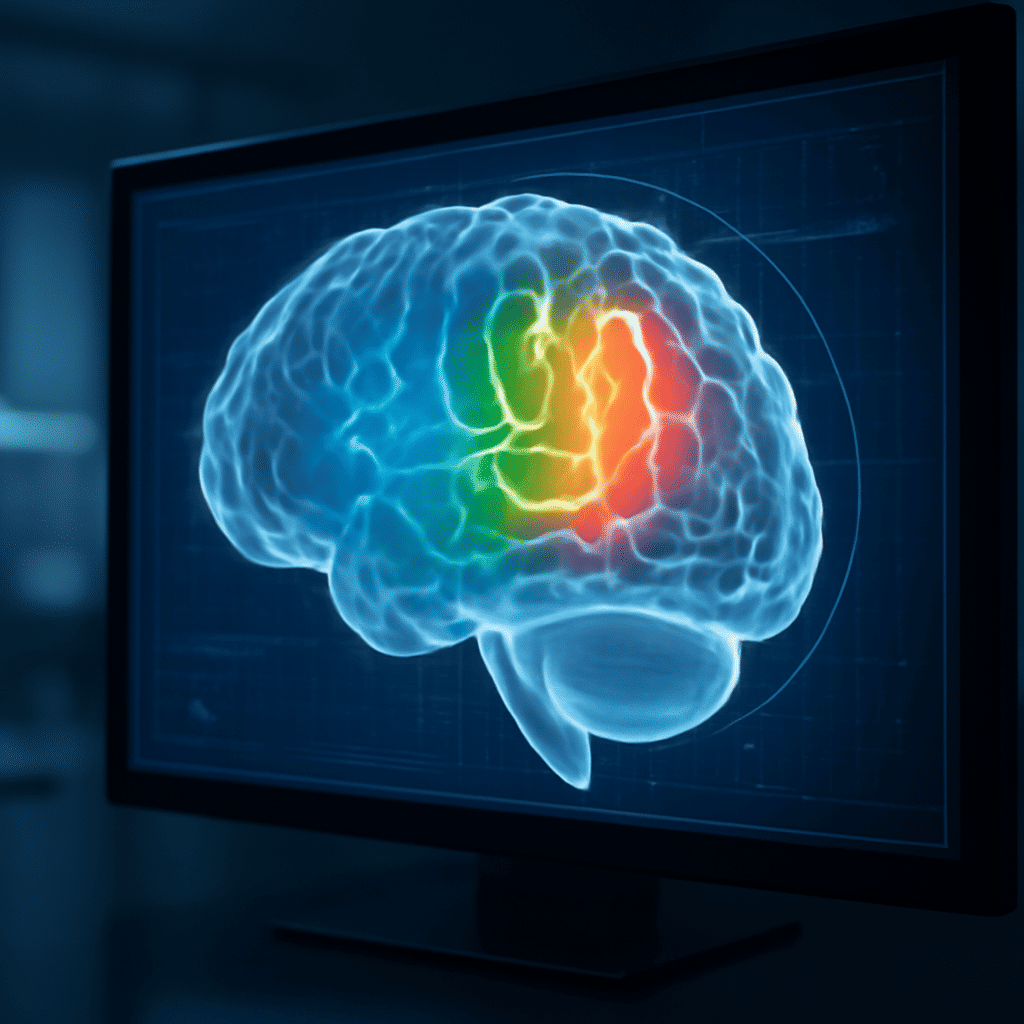
The field of neuroimaging has been revolutionized by a surge of innovative technologies that are enhancing our understanding of the brain's intricate workings. As neuroscientists delve deeper into the mysteries of this vital organ, cutting-edge techniques in neuroimaging are providing unprecedented insights into brain structure and function, facilitating breakthroughs in diagnosing, treating, and understanding neurological disorders.
One of the most exciting advancements in neuroimaging is the development and refinement of functional MRI (fMRI). Unlike traditional MRI, which only provides images of brain anatomy, fMRI measures brain activity by detecting changes in blood flow. This allows researchers and clinicians to observe which areas of the brain are involved in certain thoughts or actions. The increasing resolution and speed of fMRI technology are allowing scientists to map brain activity in real-time with exceptional clarity, opening new avenues for exploring cognitive processes and emotional responses.
Another transformative technology is Magnetoencephalography (MEG), which records magnetic fields produced by neural activity. MEG provides a detailed map of brain function with a millisecond-by-millisecond temporal resolution, making it invaluable for tracking the rapid dynamics of neural communication. This technique is proving to be particularly useful for pre-surgical planning in epilepsy patients, enabling highly precise localization of seizure foci.
Advancements in diffusion tensor imaging (DTI), a specialized form of MRI, have also been pivotal. DTI maps the diffusion of water molecules in the brain, revealing the integrity and orientation of white matter tracts. This is essential for understanding the brain's connectivity, which is crucial in conditions like multiple sclerosis, traumatic brain injury, and Alzheimer's disease. The ability to assess white matter pathways in such detail provides deeper insight into how structural changes correlate with cognitive and motor impairments.
Emergent neuroimaging techniques, such as optogenetic functional MRI (ofMRI), are also reshaping the landscape of brain research. OfMRI combines optogenetics – using light to control neurons – with fMRI to link specific neural circuits to behavior and brain function. This combination allows researchers to manipulate neural activity while simultaneously observing the whole-brain effects, offering a powerful tool for deciphering the brain's complex networks.
Positron Emission Tomography (PET) continues to evolve, with new radiotracers enabling the study of specific neurotransmitter systems and molecular targets in vivo. This advancement is crucial for understanding psychiatric disorders and monitoring the effects of pharmacological interventions.
Artificial Intelligence (AI) is increasingly becoming an integral component in the analysis of neuroimaging data. AI algorithms are adept at handling vast and complex datasets, identifying patterns and anomalies that human analysis might miss. Machine learning techniques are proving invaluable for enhancing image quality, automating diagnosis, predicting disease progression, and personalizing treatment strategies.
As neuroimaging technology advances, ethical considerations, such as privacy and the potential for misuse of brain data, are also being scrutinized. Ensuring that advancements in these technologies are balanced with robust ethical frameworks will be essential as the field moves forward.
In conclusion, the rapid development of neuroimaging technologies is transforming our understanding of the brain, unlocking the potential to decipher the complexity of neural processes. As these techniques continue to evolve, they will undoubtedly lead to new discoveries, improved clinical interventions, and a deeper comprehension of the human experience. The future holds exciting possibilities for the use of neuroimaging to answer some of the most profound questions about the brain and its role in shaping our thoughts, behaviors, and identities.